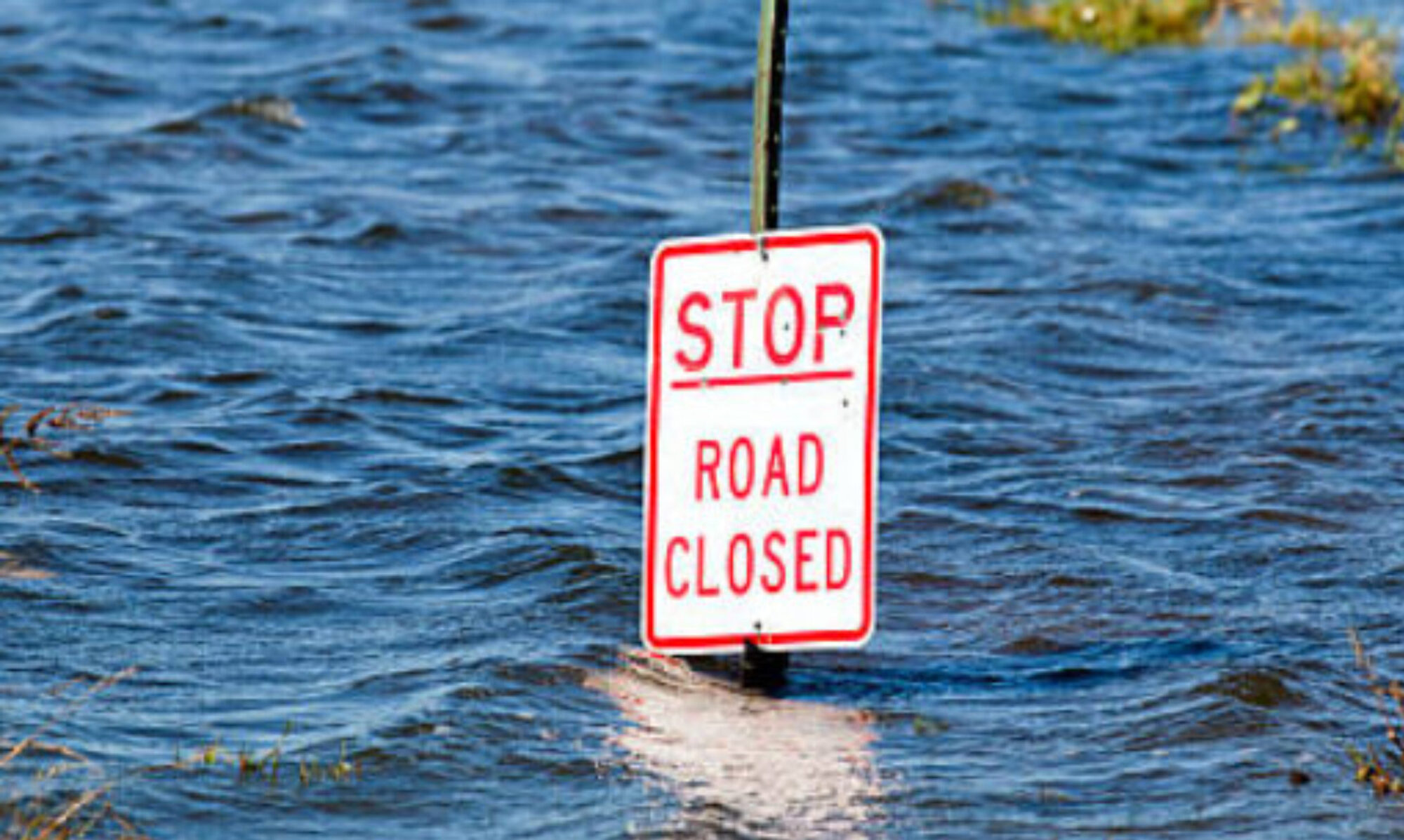
California is known for its beautiful coastline, stretching from San Diego to Crescent City past San Francisco. Some of these coastlines are known for being tourist hot spots. Many people do not realize the dangers coastal flooding has done to the state of California. The tragedies it has caused, the property and businesses it’s destroyed, and the homes of families it has wrecked. Coastal Flooding has been a serious geographical threat to California’s coastline for over 100 years. It has threatened the lives of families, destroyed homes and businesses, transportation systems, utilities like power lines, water treatment plants, and more. Coastal flooding has also had an environmental impact. It can cause pollution as floodwaters can carry pollutants from industrial and urban areas into the ocean.
Along with the environment, coastal flooding can create erosion and habitat loss. Flooding destroys beaches and wetland areas. This creates a loss of wildlife, which is another disaster in itself. This is difficult to address since some wildlife creatures can only survive in specific conditions. Like humans, they are not able to adapt quickly to sudden changes.
One aspect of coastal flooding that is usually understated is the fact that it is usually accompanied by other events that frequently occur in the state. These events are the El Niño-Southern Oscillation, the King Tides, and the aptly named atmospheric river. According to The Evening Star, coastal flooding is more than just the perceived deluge that comes on shore, but also the water that is displaced and brings pollutants, mainly in the form of agricultural runoff, into oceans and deposits them elsewhere down the coast. The culmination of these events have been catastrophic to the lives of Californians and have cost the state billions of dollars which is second only to its drought and heatwave mediation efforts. The juxtaposition of these two extremes can be challenging. One year (or many) there is no rain, then the next the state has to deal with protecting waterfront properties, mudslides, marina encroachment, and erosion. One of the events that has serious impacts on the entire coast every year are the King tides.
To further expand on the issue of coastal flooding in California, it is crucial to address the long-term implications of these events on local communities and ecosystems. As sea levels continue to rise due to climate change, projections indicate that coastal flooding will become more frequent and severe. This poses a significant risk not only to infrastructure but also to public health, as increased flooding can lead to waterborne diseases and exacerbate mental health issues among affected populations.
The economic impact cannot be overstated. Tourism, a vital component of California’s economy, may suffer as beaches erode and coastal attractions become less accessible or unsafe. Property values in flood-prone areas are likely to decline, which may lead to broader economic repercussions for the state.
In addition to governmental efforts, community engagement plays a vital role in addressing coastal flooding. Initiatives that involve local residents in planning and decision-making can foster resilience and innovation. Grassroots organizations can provide valuable insights into the unique needs and vulnerabilities of specific communities, ensuring that solutions are equitable and effective.
News programs across California are taking coastal flooding very seriously to address this event’s short- and long-term effects. This is because the intensity of this matter is rising due to climate change. It’s important to note that immediate coverage of the impact is intense. Hundreds of thousands of people live along the coast of California, so reporting flooding as it happened is crucial for the safety and warnings of other people who live in this area. Some news organizations have dedicated climate teams to cover these topics as soon as they happen. These teams investigate potential safety tactics and emergency plans and get the best coverage to prepare you for an emergency. An important thing to remember is that different news sources might disagree on the seriousness of the problem. Still, many believe this is a serious matter because people live here, too. Families, schools, businesses, and communities thrive here, and this issue is not to be taken lightly.
A recent event people in California can recall was in August of last year. The large amounts of rain brought flash flood warnings to various parts of California. This event led to the closure of schools and houses buried in mudslides. Before the flooding, people were already taking precautions to minimize the damage by filling sandbags and emergency bags to leave at any moment. Another recent event that comes to mind is the mass flooding in San Diego—the rainwater filled in streets where people had to travel using boats.
The first reported coastal flood in California was in 1861, “the Pacific Ocean began to pound central California on Christmas Eve in 1861 and continued virtually unabated for 43 days” (Dettinger and Ingram, 2013). Lots of news programs have explained the causes of coastal flooding. Again, different sources offer different causes, depending on where exactly on the coastline of California we are referring to. However, many of the same causes are present in the news stories, but not all because that varies depending on the damage. Different news programs focus their causes on climate change and sea level rise, specific storm events (like winter storms), and geographical and geological factors. This includes natural features of the coastline and human activity, like subsidence. The causes of coastal flooding are reported by news programs all around California. These causes are often interrelated, signaling long-term effects for many families, homes, and businesses. News coverage tends to employ mitigation strategies upon its viewers, offering help and suggestions. The state of California is addressing coastal flooding through several strategies. They are improving adaptations to infrastructure. This includes building and upgrading coastal areas’ sea walls, levees, and drainage systems. California has made vast improvements to maintain a robust flood control system through the work of local and federal agencies. The United States Geological Survey (USGS) suggests that the easiest course of action is through public awareness through education.